
Helping Teens Build Confidence, Awareness, and Self-Control
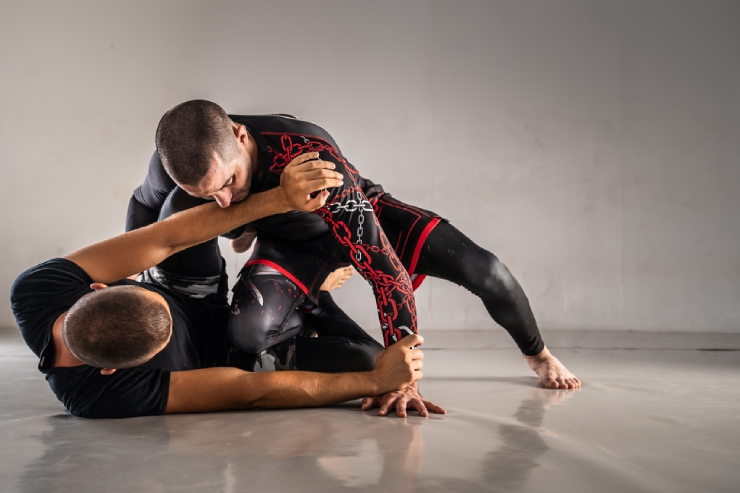
The teenage years bring new experiences, responsibilities, and social situations. Learning self-defense can give teens an opportunity to develop physical skills while also practicing awareness, discipline, confidence, and self-control. At Conquest Self Defense in Tacoma, progressive martial arts training provides a structured environment where young people can learn and develop skills over time. Self Defense For Teens Tacoma programs can introduce students to movement, positioning, grappling, and other martial arts concepts while emphasizing responsible training and respect. The goal is not to encourage confrontation. Instead, appropriate training can help teens become more comfortable with physical activity, follow instruction, and approach challenging situations with greater self-control.
Creating a Strong Foundation
Teens do not need to arrive with previous martial arts experience to begin learning. A progressive approach allows students to start with fundamental skills before moving toward more advanced techniques.
Early training may introduce:
- Basic movement and positioning
- Balance and coordination
- Physical conditioning
- Controlled partner drills
- Grappling fundamentals
- Takedown concepts
- Groundwork
- Self-control during physical practice
The specific techniques taught will depend on the program and student’s experience. Consistent practice can help teens become increasingly comfortable with the fundamentals.
Developing Awareness and Control
Self-defense involves more than physical techniques. Students also need to understand how to control their movements and respond appropriately during training.
For teenagers, learning to remain composed during challenging drills can provide an opportunity to practice self-control and awareness. They can learn to listen to instructions, recognize when a training partner needs appropriate space or control, and follow established safety expectations.
These habits are part of responsible martial arts training. Self-defense should not be presented as a reason to seek out physical confrontation.
Building Confidence Through Skill Development
Teenagers can sometimes feel uncertain when starting a new physical activity. Martial arts provide an opportunity to work toward specific skills and see improvement through consistent practice.
A technique that initially feels unfamiliar may become easier after repeated instruction and practice. This gradual process can help students understand that progress takes time.
For families searching for Teen Self Defense Classes Tacoma, a positive learning environment can be particularly important. Teens should have room to ask questions, make mistakes, receive feedback, and continue developing without unnecessary pressure.
Physical Fitness and Athletic Development
Self-defense and martial arts training can also provide a physically active way for teens to improve general fitness.
Depending on the program, training can involve:
Coordination and Balance
Martial arts movements require students to control their bodies while changing position, direction, or level.
Strength and Conditioning
Physical drills can challenge different muscle groups and support overall fitness. Conquest Self Defense also offers a dedicated strength and conditioning program focused on resistance, bodyweight exercises, and functional training.
Endurance
Active training sessions can provide opportunities for teens to develop physical endurance while participating in structured activities.
Body Awareness
Learning how to position and move the body can help students become more familiar with their physical capabilities.
Learning Discipline Through Practice
Martial arts training requires students to listen, repeat techniques, work with partners, and respond to coaching. These expectations create opportunities to practice discipline.
Teens can also learn that improvement often requires patience. Not every technique will work immediately, and some skills may require repeated practice before they become comfortable.
Regular training can reinforce perseverance, responsibility, respect, and patience. Individual outcomes vary, but these are useful qualities to practice in any structured activity.
Training Options at Conquest Self Defense
Conquest Self Defense offers several programs that may interest teenagers.
The academy’s self-defense program teaches the Kajukenbo Ge Shou Dao Self-Defense System through progressive training. Its grappling program covers clinches, throws, takedowns, holds, chokes, joint locks, and groundwork.
Teens may also be interested in the Wrestling Club, which is sanctioned by USA Wrestling, or the academy’s strength and conditioning program.
For students with disabilities, Conquest Self Defense also provides a specialized program for children, teens, and adults.
Families can explore the available options based on the student’s interests, experience, and individual needs.
A Respectful Environment for Teens
The training environment can have a major impact on how comfortable a teenager feels while learning. Conquest Self Defense describes its academy as safe, clean, and positive, with an emphasis on valuing students regardless of skill level or background.
A supportive environment can help teens become comfortable with new physical challenges. It can also encourage them to communicate with instructors and training partners when they need clarification or assistance.
Parents can support their teenager by encouraging consistency while allowing them to develop at a reasonable pace.
Choosing a Program for Your Teen
Before enrolling, parents and teens may want to consider several factors:
- Experience: Is the program appropriate for beginners?
- Training focus: Does it emphasize self-defense, grappling, wrestling, or fitness?
- Instruction: Is training progressive and structured?
- Environment: Are students treated with respect?
- Schedule: Can the teen attend consistently?
- Individual needs: Can the program accommodate relevant physical or learning considerations?
Discussing these questions with the academy can help families understand which program is most suitable.
Frequently Asked Questions
Yes. Progressive instruction allows new students to begin with fundamental movements and techniques before progressing to more advanced training.
Depending on the program, teens can develop movement, balance, coordination, physical fitness, grappling skills, and self-defense techniques. Training can also provide opportunities to practice discipline and self-control.
Responsible self-defense training should not encourage unnecessary confrontation. Training focuses on learning physical skills in a controlled environment and understanding responsible application.q
The academy offers training opportunities for teens, including self-defense, grappling, wrestling, strength and conditioning, and a program specifically designed for students with disabilities.
Martial arts can provide active physical training involving movement, conditioning, strength, and coordination. Fitness benefits depend on the student’s participation and the specific training program.
Parents can encourage consistent attendance, patience, respect, and a positive attitude toward learning. Allowing teens to progress at an appropriate pace can also make the experience more productive.
Give Your Teen an Opportunity to Learn
For families exploring Self Defense For Teens Tacoma, martial arts can provide a structured environment where teenagers can develop physical skills while practicing awareness, discipline, confidence, and self-control. Conquest Self Defense offers progressive training within a broader martial arts community and provides several programs for different interests.
Explore the available training options and schedule, then contact Conquest Self Defense to discuss an appropriate starting point for your teenager.