
Creating Opportunities for Movement, Confidence, and Skill Development
Martial arts can provide children, teens, and adults with opportunities to stay active, learn new physical skills, and participate in a structured community environment. For individuals with disabilities, finding a program that recognizes different abilities and provides appropriate support can be especially important. Conquest Self Defense in Tacoma offers a specialized program for children, teens, and adults with disabilities. Special Needs Martial Arts Tacoma can provide participants with opportunities to practice movement, coordination, physical fitness, discipline, and confidence within a respectful training environment. Each person’s abilities and needs are different, so training should focus on appropriate participation, gradual skill development, and a positive experience rather than expecting every student to progress in exactly the same way.
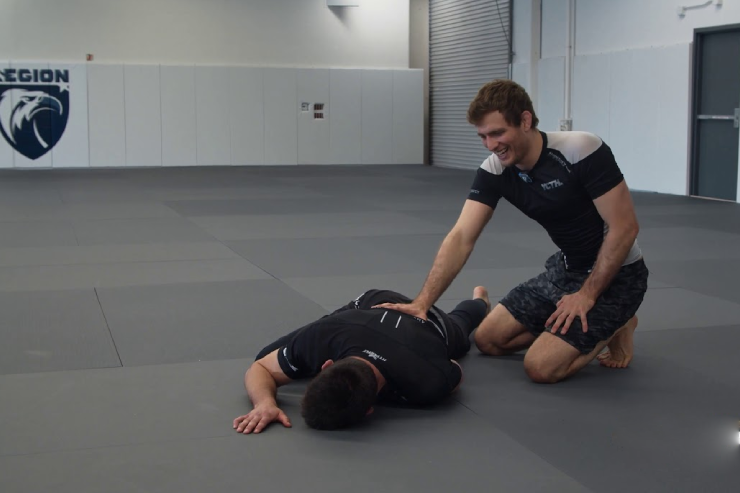
A Program Designed for Different Abilities
Every student brings different experiences, abilities, interests, and support needs to a martial arts program. A suitable training environment should recognize those differences rather than assuming that every participant learns in the same way.
Conquest Self Defense specifically offers a program for children, teens, and adults with disabilities. This creates an opportunity for families to explore martial arts within an academy that provides a dedicated training option for this community.
For families researching Martial Arts for Special Needs, it is important to discuss the student’s individual circumstances with the academy before beginning training. This can help families understand the available program and determine whether it is appropriate for the participant.
Building Physical Skills Through Practice
Martial arts can involve a range of movements that provide opportunities for physical development. Depending on the participant and training activities, sessions may include controlled movement, balance exercises, coordination drills, and other age-appropriate physical activities.
Students may work toward developing:
- Balance and coordination
- Body awareness
- Controlled movement
- Physical fitness
- Strength and mobility
- Listening and following instructions
- Confidence through skill development
The specific activities and pace should be appropriate to the student’s abilities. Progress may look different for every participant.
Learning in a Supportive Environment
The environment surrounding training can have an important role in a student’s experience. Conquest Self Defense describes its academy as safe, clean, and positive, with an emphasis on valuing every student regardless of skill level or background.
A respectful environment can help students feel more comfortable when trying unfamiliar activities. Instructors and training partners can also play an important role by providing appropriate guidance and allowing students time to become familiar with new movements.
Families can support the process by communicating relevant information about the student’s needs and maintaining realistic expectations about progress.
Developing Confidence and Independence
Learning a new physical skill can give students opportunities to experience progress in manageable steps. Completing a movement, understanding a new instruction, or becoming more comfortable with a training activity can all represent meaningful development.
For some participants, consistent training may provide opportunities to practice confidence, patience, discipline, and perseverance.
However, every student’s experience is different. Martial arts should complement, rather than replace, the educational, therapeutic, medical, or other support services an individual may already receive.
Training at an Appropriate Pace
Progressive instruction is particularly useful when students have different learning needs. Introducing skills gradually can allow participants to become familiar with one activity before moving to another.
Training may involve:
- Introducing a movement or exercise.
- Demonstrating the activity.
- Allowing the student to practice with appropriate guidance.
- Repeating the activity as needed.
- Gradually introducing additional skills when appropriate.
The pace should be based on the individual student rather than a fixed expectation that everyone will reach the same level at the same time.
More Training Options at Conquest
The specialized program is part of a broader range of training opportunities at Conquest Self Defense.
The academy offers self-defense training using the Kajukenbo Ge Shou Dao Self-Defense System. It also provides grappling, wrestling, and strength and conditioning programs.
The grappling program covers areas such as clinches, throws, takedowns, holds, chokes, joint locks, and groundwork. The Wrestling Club is sanctioned by USA Wrestling.
Families can discuss which programs may be appropriate based on the participant’s age, abilities, experience, interests, and individual goals.
Supporting Families and Participants
Parents and caregivers can play an important role in helping a participant have a positive training experience. Before starting, families may want to communicate information that could affect participation, including relevant physical, sensory, communication, or learning considerations.
It can also be helpful to ask about:
- Class structure
- Instructor expectations
- Training activities
- Appropriate participation levels
- Scheduling
- Communication with families
- How the program handles individual differences
These conversations can help families better understand whether the program is suitable for their circumstances.
Who May Benefit From This Program?
Conquest Self Defense’s specialized program is designed for children, teens, and adults with disabilities. Because disabilities and support needs vary significantly, suitability cannot be determined solely by age or diagnosis.
Families should consider the individual’s abilities, interests, communication needs, physical considerations, and comfort with group activities.
Contacting the academy before attending can provide an opportunity to discuss these factors and learn more about the available training.
Frequently Asked Questions
Yes. The academy offers a specialized program for children, teens, and adults with disabilities.
Depending on the individual and program, participants may work on movement, coordination, balance, physical fitness, discipline, and confidence.
Not necessarily. Individual needs and abilities vary considerably. Families should contact the academy to discuss the participant’s circumstances and determine whether the program is appropriate.
Previous experience is not necessarily required. Families can discuss the participant’s experience level and needs with the academy before starting.
No. Martial arts training should not be considered a replacement for medical, therapeutic, educational, or other professional services. It can be one additional physical and recreational activity.
Yes. Conquest Self Defense states that its program for students with disabilities is available to children, teens, and adults.
Families can discuss the student’s needs, abilities, communication preferences, and relevant considerations with the academy beforehand. This can help establish appropriate expectations for participation.
Explore an Inclusive Training Opportunity
For families looking for Special Needs Martial Arts Tacoma, finding a program that recognizes individual abilities and provides an appropriate learning environment is an important part of the process. Conquest Self Defense offers a dedicated program for children, teens, and adults with disabilities within its broader martial arts community.
Learn more about the specialized program, review the available schedule, and contact Conquest Self Defense to discuss whether the training may be a suitable option for your family.