
Helping Children Build Confidence, Discipline, and Resilience
Children face many social challenges as they grow, and learning how to respond to difficult situations can be an important part of their development. Martial arts can provide a structured environment where children practice discipline, physical coordination, confidence, and respectful communication while working with instructors and other students.
For parents exploring Anti Bullying Self Defense Classes, Conquest Self Defense offers children’s martial arts training designed around skill development, discipline, and personal growth. The academy teaches the Kajukenbo Ge Shou Dao Self-Defense System and provides a positive environment where students can learn at their own level.
Martial arts cannot guarantee that a child will never experience bullying. However, consistent training can give children opportunities to develop confidence, awareness, self-control, and the ability to respond to challenging situations appropriately.
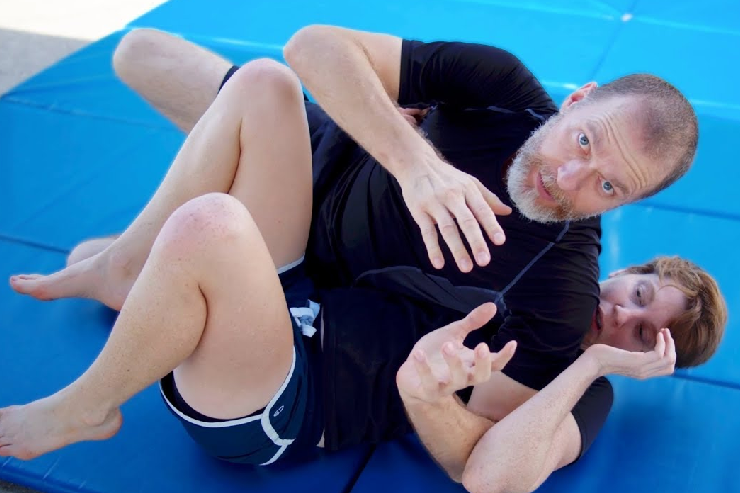
Why Confidence Matters for Children
Confidence can influence how children approach unfamiliar or uncomfortable situations. A child who feels comfortable communicating, setting appropriate boundaries, and asking a trusted adult for help may be better prepared to handle difficult social circumstances.
Martial arts provides a structured setting for developing confidence through achievable challenges. Students learn techniques, practice movements, receive instruction, and gradually become more comfortable with skills that initially may seem difficult.
Progress does not happen instantly. Children learn through repetition and encouragement, allowing them to recognize their own improvement over time.
For families looking for Anti Bullying Classes Tacoma, martial arts can be one part of a broader approach to helping children develop confidence and positive social skills.
Skills Children Can Develop Through Training
A martial arts class involves much more than learning physical techniques. Students regularly practice skills that can contribute to their overall development.
Discipline
Students need to listen to instructions, follow training expectations, practice techniques, and remain consistent. These habits can encourage children to understand the value of patience and continued effort.
Focus
Learning a new martial arts movement requires attention. Children must watch demonstrations, remember instructions, and apply techniques during practice.
Self-Control
Controlled training teaches students that physical skills must be used responsibly. Working with a partner requires awareness, restraint, and respect.
Confidence
As children learn new techniques and overcome challenges, they have opportunities to recognize their progress and become more comfortable with their abilities.
Respect
Martial arts training involves working with instructors and fellow students. Treating training partners appropriately is an important part of creating a positive learning environment.
Learning to Respond Rather Than React
Bullying situations can be complicated, and there is no single response that works in every circumstance. Children should understand that physical confrontation is not always the appropriate answer to a conflict.
A well-rounded approach can include recognizing when a situation is becoming unsafe, creating distance when possible, communicating clearly, seeking help from a trusted adult, and knowing when to leave a situation.
Martial arts can complement these lessons by helping children become more aware of their bodies and surroundings. Instructors can also reinforce the importance of responsible behavior and controlled training.
The objective is not to encourage children to fight. Instead, training can help them understand discipline, awareness, and responsible use of physical skills.
A Supportive Environment for Young Students
The learning environment can have a major impact on a child’s experience. Conquest Self Defense emphasizes a safe, clean, and positive environment where students are valued and respected regardless of their skill level or background.
Children train alongside other students while learning from experienced black belt instructors. The academy also has certified USA Wrestling coaches and competition-proven Wrestling and Grappling teams.
This provides young students with opportunities to participate in structured physical activity while developing their martial arts abilities.
Parents and guests can also use the seating available within the academy while children participate in training.
Developing Skills Through Consistent Practice
Martial arts is a progressive activity. Children do not need to master complex techniques during their first class. Instead, they can begin with fundamental movements and gradually develop their understanding.
A typical progression may include:
- Learning basic movements – Students become familiar with foundational techniques and training expectations.
- Practicing with partners – Controlled partner exercises help students understand movement and positioning.
- Building coordination – Repetition helps students become more comfortable with physical skills.
- Developing confidence – Students work through challenges and recognize their progress.
- Continuing to improve – Regular attendance allows children to reinforce skills and learn more advanced techniques.
This gradual approach can make martial arts accessible to children with different levels of experience.
Martial Arts as Part of a Broader Approach
Parents should view martial arts as one potential part of helping children develop resilience and confidence. Communication at home, support from teachers, guidance from school staff, and appropriate intervention when bullying occurs remain important.
If a child is experiencing bullying, parents should take the situation seriously and work with the appropriate adults or school personnel. Martial arts training should not replace adult intervention or professional support when a child is dealing with ongoing harassment or safety concerns.
Instead, training can provide a positive activity where children practice discipline, physical skills, teamwork, and confidence in a supervised environment.
Training Options for Different Students
Conquest Self Defense provides programs for children and adults, with additional offerings that include grappling and BJJ, wrestling, strength and conditioning, homeschool sessions, women’s self-defense, and specialized training for students with disabilities.
The academy’s approach can accommodate students who are completely new to martial arts as well as those who want to continue developing existing skills.
Its donation-based training model also makes participation more accessible. Conquest provides training for the cost of a donation, allowing families to participate without the traditional emphasis on fixed martial arts tuition.
For parents researching Anti Bullying Self Defense Classes, this provides an opportunity to introduce a child to martial arts within a broader community-focused academy.
What Parents Can Expect
Parents considering martial arts for their children may want to look for an environment where instructors emphasize safety, respect, appropriate boundaries, and age-appropriate learning.
At Conquest Self Defense, children can expect to participate in structured training while learning alongside other students. Instructors guide students through techniques and exercises, helping them develop their abilities through practice.
Parents can also consider discussing their child’s specific goals with the academy before beginning. Whether the goal is greater confidence, physical activity, martial arts development, or simply trying something new, understanding those goals can help make the training experience more meaningful.
Frequently Asked Questions
No martial arts program can guarantee that a child will not experience bullying. Training can, however, provide opportunities to develop confidence, discipline, awareness, and responsible physical skills.
Physical confrontation is not always the appropriate response. Children should be encouraged to seek help from trusted adults, communicate appropriately, move away from unsafe situations when possible, and follow guidance from parents, teachers, or other responsible adults.
Conquest Self Defense offers training for kids through adults. Parents can contact the academy to discuss their child’s age, experience, and appropriate training options.
Conquest Self Defense is a Kajukenbo Ge Shou Dao academy. Students are instructed in the Kajukenbo Ge Shou Dao Self-Defense System.
Children can practice discipline, focus, coordination, self-control, teamwork, respect, and perseverance through structured martial arts training.
Yes. The academy offers several training options, including self-defense, grappling, wrestling, homeschool sessions, strength and conditioning, and specialized training for students with disabilities.
Conquest provides its training for the cost of a donation. This model is intended to make martial arts training accessible to the community.
Give Your Child an Opportunity to Grow
Martial arts can give children a structured place to develop physical skills while practicing confidence, discipline, focus, self-control, and respect. It should be viewed as part of a broader approach to children’s well-being rather than a guaranteed solution to bullying.
If you are researching Anti Bullying Self Defense Classes, Conquest Self Defense offers children’s martial arts training in a positive and respectful environment. Contact the academy or review the current training schedule to learn more about available programs for your child.